
Call us now :07313726387
 Send Inquiry
 Send Inquiry
Panel Ac
MOQ : 10 Pieces
Panel Ac Specification
- Weight
- Not Specified
- Load Capacity
- Not Specified
- Shape
- Rectangular
- Method
- Electrical Cooling
- Hardness
- Not Specified
- Accuracy
- Not Specified
- Coating
- Anti-Corrosive
- Usage
- Industrial
- Type
- Panel Air Conditioner
- Material
- Metal
- Size
- Standard
- CNC
- Yes
- Tolerance
- Not Specified
- Product Type
- Panel Ac
- Surface
- Powder Coated
- Use
- For Cooling Electrical Panels
- Application
- Electrical Control Panels
- Color
- White
- Usage & Applications
- Industrial
- Refrigerant Used
- R134a / R407c (Eco-Friendly Options)
- Noise Level
- Low
- Power Supply
- 230V / 415V
- Display
- LED / LCD Status Display
- Compressor Type
- Hermetically Sealed
- Installation
- Easy Plug-and-Play
- Protection Class
- IP54 / IP55 (Model Specific)
- Control
- Digital / Thermostatic
- Cooling Capacity
- 1000W - 5000W (Model Dependent)
- Mounting
- Wall / Door Mount
Panel Ac Trade Information
- Minimum Order Quantity
- 10 Pieces
- Delivery Time
- 7 Days
About Panel Ac
A panel AC, also known as a panel air conditioner or enclosure air conditioner, is a cooling system specifically designed to regulate the temperature and maintain optimal conditions inside electrical enclosures or control panels. These units are compact, self-contained, and typically mounted on the side or top of the enclosure. Panel ACs provide cooling by removing heat generated by electronic components, preventing overheating and ensuring the reliable operation of sensitive equipment in industrial, commercial, and outdoor environments.
FAQ:
Q: What is a panel AC?
A: A panel AC, or panel air conditioner, is a cooling system designed to regulate the temperature inside electrical enclosures or control panels. It ensures the optimal operating conditions of sensitive electronic components by removing heat generated within the enclosure.
Q: How does a panel AC work?
A: Panel AC units work by drawing in warm air from the electrical enclosure and passing it through a cooling system. The heat is then dissipated outside the enclosure, while the cooled air is recirculated back into the enclosure. This process helps maintain a consistent temperature within the enclosure, preventing overheating and ensuring the proper functioning of electronic equipment.
Q: What are the benefits of using a panel AC?
A: Panel ACs offer several benefits. They prevent overheating and thermal damage to sensitive electronic components, ensuring the reliability and longevity of equipment. These units are compact and specifically designed for installation in enclosures, saving space and allowing for efficient cooling. Panel ACs also offer easy installation, maintenance, and precise temperature control, contributing to the overall efficiency of electrical systems.
Q: Where are panel ACs typically used?
A: Panel ACs are commonly used in various applications where temperature regulation is crucial for the optimal operation of electronic equipment. They are found in industrial settings, including manufacturing plants, automation systems, and control rooms. Panel ACs are also utilized in commercial environments, such as data centers, telecommunications facilities, and outdoor cabinets where electrical components need to be protected from temperature extremes.
Q: Can panel ACs be used in outdoor environments?
A: Yes, there are panel AC units specifically designed for outdoor use. These units are built to withstand harsh weather conditions, including high temperatures, humidity, dust, and moisture. Outdoor panel ACs ensure the cooling and protection of electrical equipment deployed in outdoor cabinets, telecommunications enclosures, or remote equipment installations.
Q: How do I select the right panel AC for my application?
A: When selecting a panel AC, it is essential to consider factors such as the size of the electrical enclosure, the heat load generated by the equipment, and the ambient conditions of the installation environment. It is recommended to consult with the manufacturer or a qualified HVAC specialist to determine the appropriate cooling capacity and features required for your specific application.
Q: Can panel ACs be used in conjunction with other cooling methods?
A: Yes, panel ACs can be used in combination with other cooling methods to enhance efficiency or address specific requirements. For example, in larger enclosures or high-heat load applications, panel ACs may be used alongside fan systems, heat exchangers, or air circulation devices to achieve optimal cooling performance.
High-Efficiency Panel Air Conditioning
Our panel air conditioner efficiently cools electrical control panels, preserving sensitive equipment and preventing overheating. Adjustable cooling capacities and eco-friendly refrigerants make it a sustainable choice for modern industries. Low noise operation and robust metal construction ensure reliability in any installation setting.
Easy Installation and Versatile Mounting
Designed for plug-and-play convenience, this panel AC is available in wall or door mount configurations to suit diverse industrial requirements. The anti-corrosive powder-coated surface protects against harsh conditions, while the IP54/IP55 protection class (depending on model) guarantees enhanced durability.
Advanced Controls and Display
Featuring digital or thermostatic control options, the panel AC allows precise temperature management. The integrated LED/LCD status display provides real-time monitoring, enabling operators to assess system performance quickly and efficiently, ensuring consistent operation and energy savings.
FAQs of Panel Ac:
Q: How does the panel air conditioner improve the safety and lifespan of electrical control panels?
A: The panel air conditioner prevents overheating by maintaining optimal internal temperatures within electrical control panels, thereby minimizing the risk of component failure and extending equipment life.Q: What are the available mounting options for this panel air conditioner?
A: This model supports both wall and door-mounted installations, giving users flexibility to adapt the unit to various panel layouts and spatial requirements.Q: When is plug-and-play installation recommended for industrial panel cooling?
A: Plug-and-play installation is ideal for quick commissioning in industrial environments, making setup efficient and reducing downtime during maintenance or replacement of air conditioning units.Q: Where can this panel air conditioner be used?
A: It is suitable for industrial applications, specifically for cooling electrical control panels in manufacturing plants, processing industries, and automation facilities across India.Q: What eco-friendly refrigerants are used in these panel air conditioners?
A: Models employ R134a or R407c refrigerants, both recognized for their minimal environmental impact while maintaining effective cooling performance.Q: How does the digital or thermostatic control system benefit users?
A: Digital or thermostatic controls enable precise temperature regulation, optimizing energy usage and ensuring consistent cooling. The status display also provides immediate feedback for easy monitoring and maintenance.Q: What process is involved in maintaining this panel AC unit?
A: Routine maintenance typically involves ensuring the condensers and filters are clean, checking for refrigerant leaks, and verifying operational status via the control display. Its design makes access and servicing straightforward for technicians.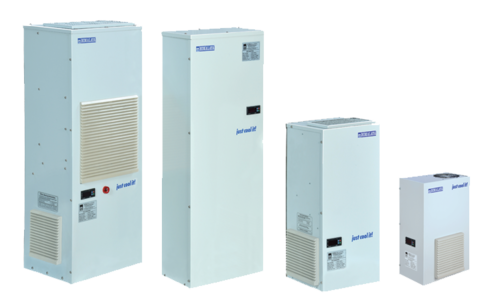
Tell us about your requirement

Price:
Quantity
Select Unit
- 50
- 100
- 200
- 250
- 500
- 1000+
Additional detail
Mobile number
Email

More Products in CNC Machine Spare Parts Category
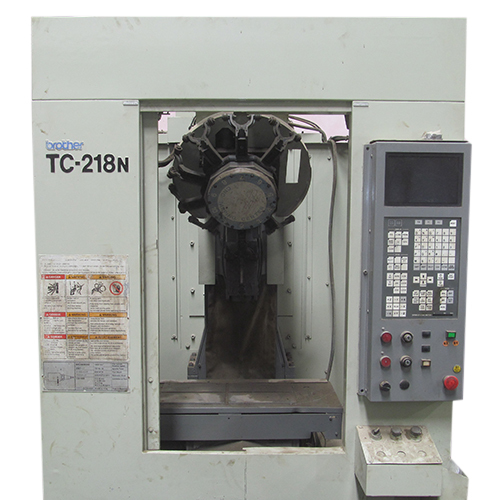
Brother Bril Tap Center
Minimum Order Quantity : 10 Pieces
Material : Metal
Size : Standard
Usage : Industrial
Use : Tapping, Drilling
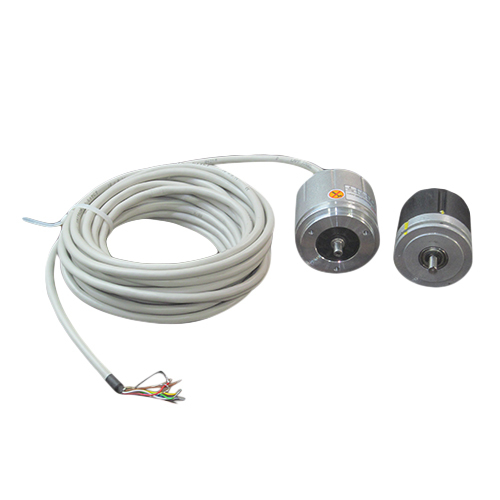
Spindle Encoder
Minimum Order Quantity : 1 Unit
Material : Metal
Size : Standard
Usage : Industrial
Use : Speed & Position Sensing
Color : Silver
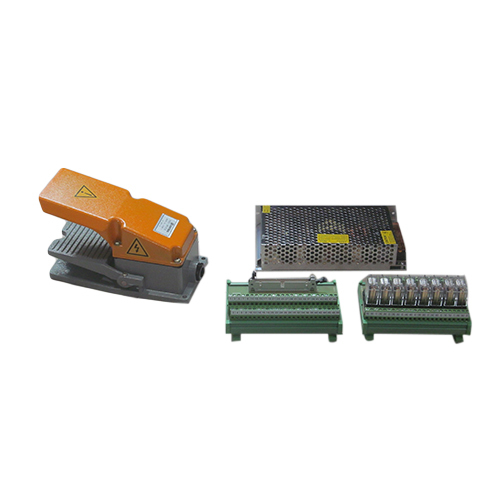
TSD Card Power Supply
Minimum Order Quantity : 1 Unit
Material : HighGrade Electronic Components
Size : Standard
Usage : Industrial
Use : Industrial
Color : Multicolor
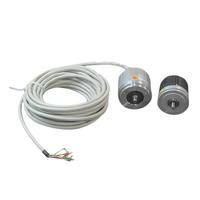
Turret Encoder
Minimum Order Quantity : 10 Pieces
Material : Metal
Size : Standard
Usage : Industrial
Use : Industrial
Color : Silver

 Send Inquiry
Our Products

Plot No. 13/3/2, Ind. Area Vill. Nathupur, Sonipat - 131029, Haryana, India

Mr. Sunil Saini
(Director)
Mobile :07313726387
 Send Inquiry
 Send SMS
Developed and Managed by Infocom Network Private Limited.
